

Indochina In Focus:
The Oil and Gas Landscapes of Vietnam, Cambodia and Laos

Strategic Partner:
Thought Leadership
Ian Cross
Managing Director
Moyes & Co
President
SEAPEX
Frontier Regional Leader
Indochina commonly refers to the countries of Cambodia, Laos and Vietnam, which was comprised of a series of territories that formed part of the French colonial empire. Officially established in 1887 as the Indochinese Union, French rule over the region lasted until its dissolution in 1954. This mainland area of Southeast Asia has had a rather unique and fragmented oil and gas exploration history due to geopolitical dynamics. Unlike other parts of Southeast Asia, such as Burma, Malaysia and Indonesia, exploration was slow to pick up, largely due to the lack of surface oil seeps giving encouragement.
Although a number of onshore Mesozoic and Tertiary basins exist in all three countries, none are currently productive and the presence of significant active petroleum systems has not been demonstrated. In contrast, the offshore Tertiary basins of both Cambodia and Vietnam have subsequently been proven to have active systems, particularly in Vietnam. A map showing the Tertiary basins of Vietnam is presented in Figure 1.
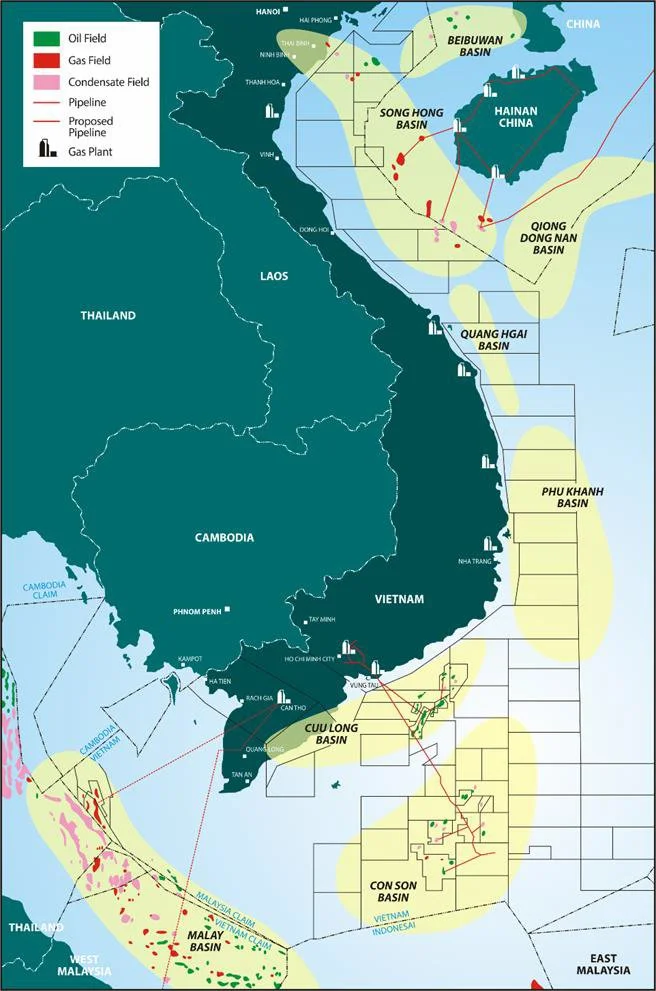
Figure 1: Tertiary Basins of Vietnam (Pharos, SEAPEX, 2022)
This article will trace the early history of each of the countries and set the scene for where they are now in their respective cycles.
Cambodia
Following the withdrawal of the French there are reports that Chinese geologists undertook fieldwork in central Cambodia in 1958 looking for the presence of oil seeps; however, results were negative. In November 1969, the Cambodian government announced that exploration rights to the country's continental shelf area had been awarded to the French Elf/ERAP partnership with Esso joining through a farm-in arrangement in 1972. In 1973 Marine Associates, who were later joined by Canadian Reserve and Sunlight Oil, acquired offshore acreage relinquished by the Elf-led group. The 1977 Petroconsultants’ map in Figure 2 shows the Cambodian concessions and Elf wells at this time, by which time the companies had left.
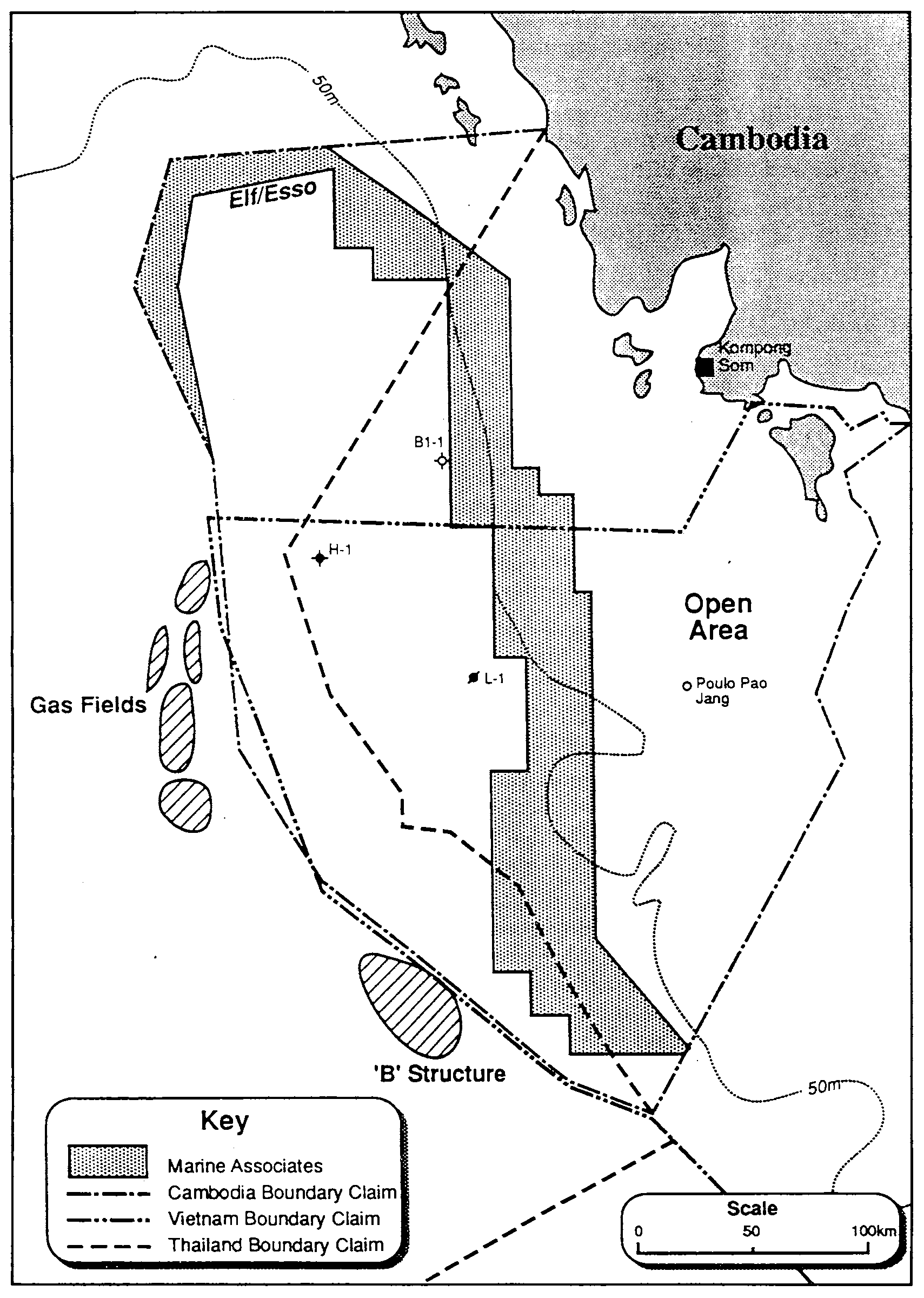
Figure 2: Offshore Cambodia Concessions (Petroconsultants, 1977)
Elf drilled three wells, none successful, although the last well (B-1-1) was thought to have not reached its objective, having been chased off location by a Vietnamese gun boat over disputed maritime boundaries. Meanwhile the Marine Associates-led group conducted seismic, but the tapes were lost in transit to Singapore. It is also worth noting at this time the boundary problems with Thailand surfaced in the Gulf of Thailand.
By the time of the fall of Phnom Penh to the Khmer Rouge in 1975, exploration had already been halted, and the Khmer Rouge changed the name of the country to Kampuchea. It reverted to the Kingdom of Cambodia in 1993.
With the improvement in the political situation in Cambodia, industry interest returned. It was also apparent that the geology of the ‘Khmer Trough’ in the uncontested part of the Gulf of Thailand differed from the prolific Pattani Basin in the Thai sector in terms of areal extent, thickness of section, and lack of charge in the Miocene sandstone reservoirs that were encountered.
In the 1990s, Production Sharing Contracts (PSCs) were held by Premier Oil, Enterprise/Total and Cambodia Petroleum Exploration (Campex), a Japanese consortium led by Mitsui. The year 1994 was symbolic in Cambodia in that offshore drilling resumed after 20 years hiatus. Three of the four wildcats encountered hydrocarbons in the Oligocene; however, reservoir quality was clearly not as good as in the Pattani Basin. Discoveries were made in Campex’s Aspara-1, Enterprise’s Angkor-1 and Premier’s Kaoh Tang-1.
Operating from Thailand, Chevron appraised the Apsara oil discovery in 2004, and the PSC was subsequently acquired by KrisEnergy in 2014. First oil was produced in late 2020, but it was a short-lived project. The field is currently shut in, and the Ministry is now seeking investors to re-develop it. To date, 34 exploration and appraisal wells have been drilled offshore, and the Ministry is seeking investors through an Open Bid Round for both off and onshore acreage. Figure 3 shows the most recent configuration of blocks in the country.
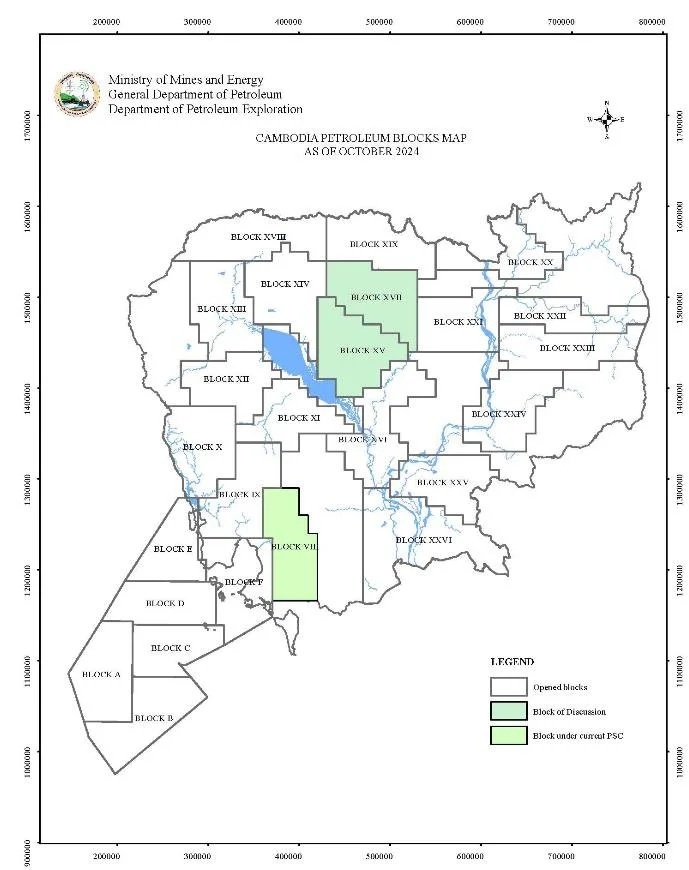
Figure 3: Location Map of Cambodian Blocks (MME, 2025)
Currently one PSC is held onshore by EnerCam Resources, a subsidiary of Canadian-listed Angkor Resources. EnerCam is planning a drilling programme in Block VIII in the southwest of the country in late 2026. This will represent the first ever drilling onshore, with play types being similar to the productive Khorat Plateau of Thailand.
Without doubt, the most prospective underexplored area in South East Asia is the contested Cambodia and Thailand Overlapping Claims Area (OCA) which primarily overlies the eastern part of the Pattani Basin. The area is covered by a grid of old 2D seismic data only. It is worth mentioning that on the Cambodia side blocks are held by ConocoPhillips/Idemitsu Kosan (Areas I and II), TotalEnergies (Area III) and China National Offshore Oil Corporation (Area IV), but these remain dormant until such time as there is resolution of the contested claims.
Laos
As discussed by Blanche (1990), French geologists reported oil indications in the landlocked Mesozoic Savannakhet Basin in the 1930s. In 1959 two permits were awarded to Société des Études et d’ Exploitation Minières de l'Indoehlne (SEEMI) adjacent to the Thai-Laos border area, but these lapsed due to political activities. A French consortium led by SEEMI returned briefly in the mid-1970s, but the deteriorating situation in the region saw only brief activity. Success in Thailand’s Khorat Plateau caught the industry’s attention and in 1989 Enterprise Oil were awarded the Savannakhet PSC with French partner CEP and the following year Hunt Oil was awarded the Pakse PSC and drilled the unsuccessful Pakse-1 well in 1997. This proved to be volcanic basement as opposed to a Permian carbonate reefal build up which had been interpreted. The location of the two former PSCs are shown in Figure 4.
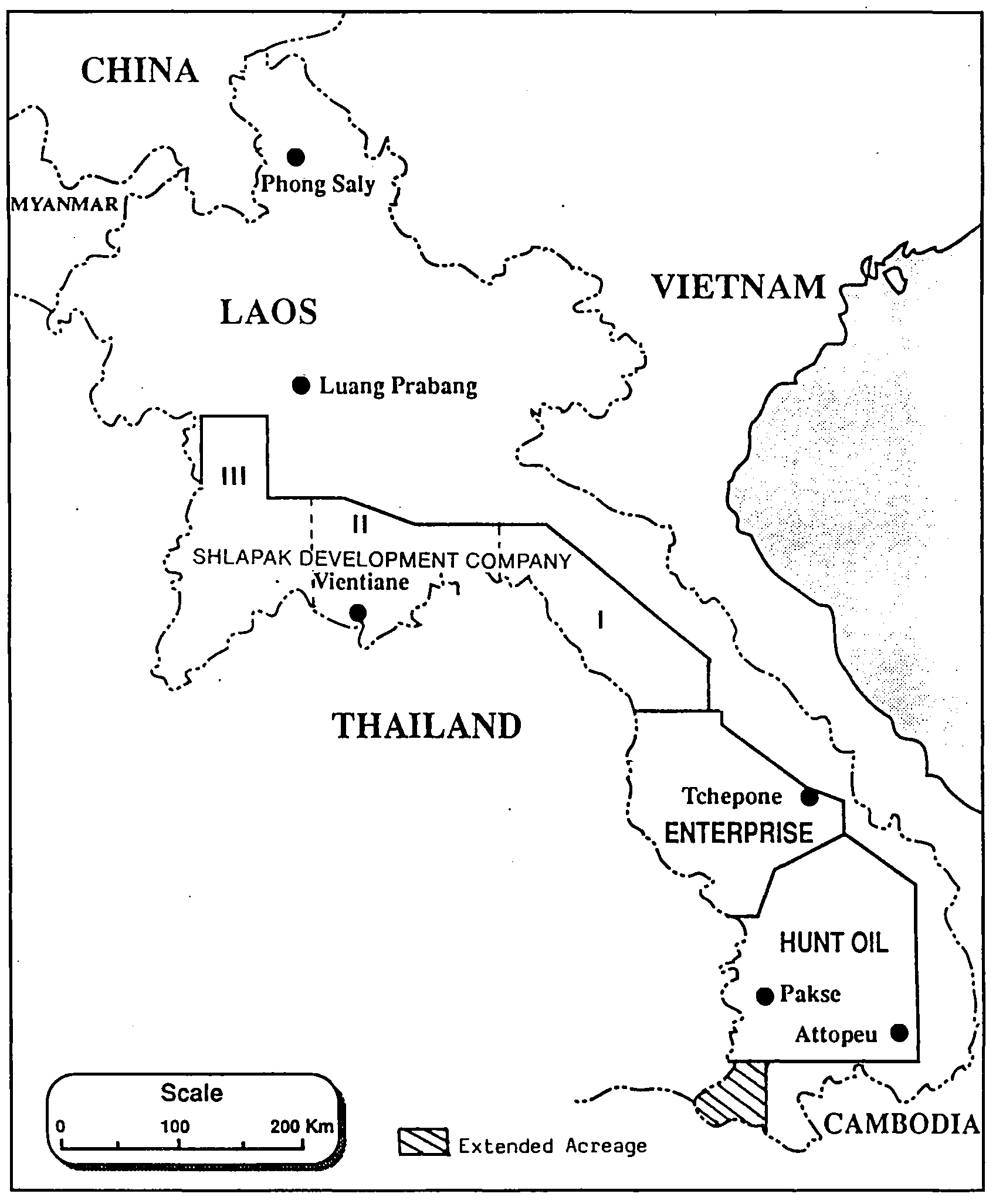
Figure 4: Location Map of Enterprise, Hunt and SDC Laos PSCs (Blanche, 1992)
The next activity was by Shlapak Development Corporation, which farmed out to Monument Oil & Gas while Salamander Energy and PetroVietnam held separate PSCs in Laos. In 2010 Salamander reported gas shows in the Triassic sandstones at Bang Nouan-1, located on the eastern edge of the Khorat Plateau, but was insufficient encouragement to continue.
However, with geology similar to the Khorat Plateau in Thailand, containing the Phu Horn and Nam Phong gas fields, the hydrocarbon potential of the Savannakhet Basin, with only three wildcats drilled, should not be written off.
Vietnam
Early exploration in Vietnam in the 1960s centred around the north in the vicinity of the Song Hong (Red River) Delta with Soviet assistance. In 1976 Geological Union 36, the forerunner of PetroVietnam, made the Tien Hai onshore gas discovery. This was a direct result of comprehensive Soviet-Vietnamese geological cooperation that spanned more than two decades. One of the first international entrants into the offshore areas in what was then North Vietnam, was ENI which signed the entire northern shelf area in 1973. This was followed in 1973 and 1974 by the South Vietnam government opening bid rounds for offshore blocks, which generated interest from US and Canadian companies who were encouraged to support the failing South Vietnam Government. These included Mobil with partners Kaiyo and Cities Service, Shell (operating as Pecten) with partner Hematite (BHP), Union Texas, Marathon and the Sunningdale Group led by Bow Valley. Block outlines are shown in Figure 5. It was not long before Pecten reported the first offshore discovery at Dua-1X following initial disappointment at Hong-1X.
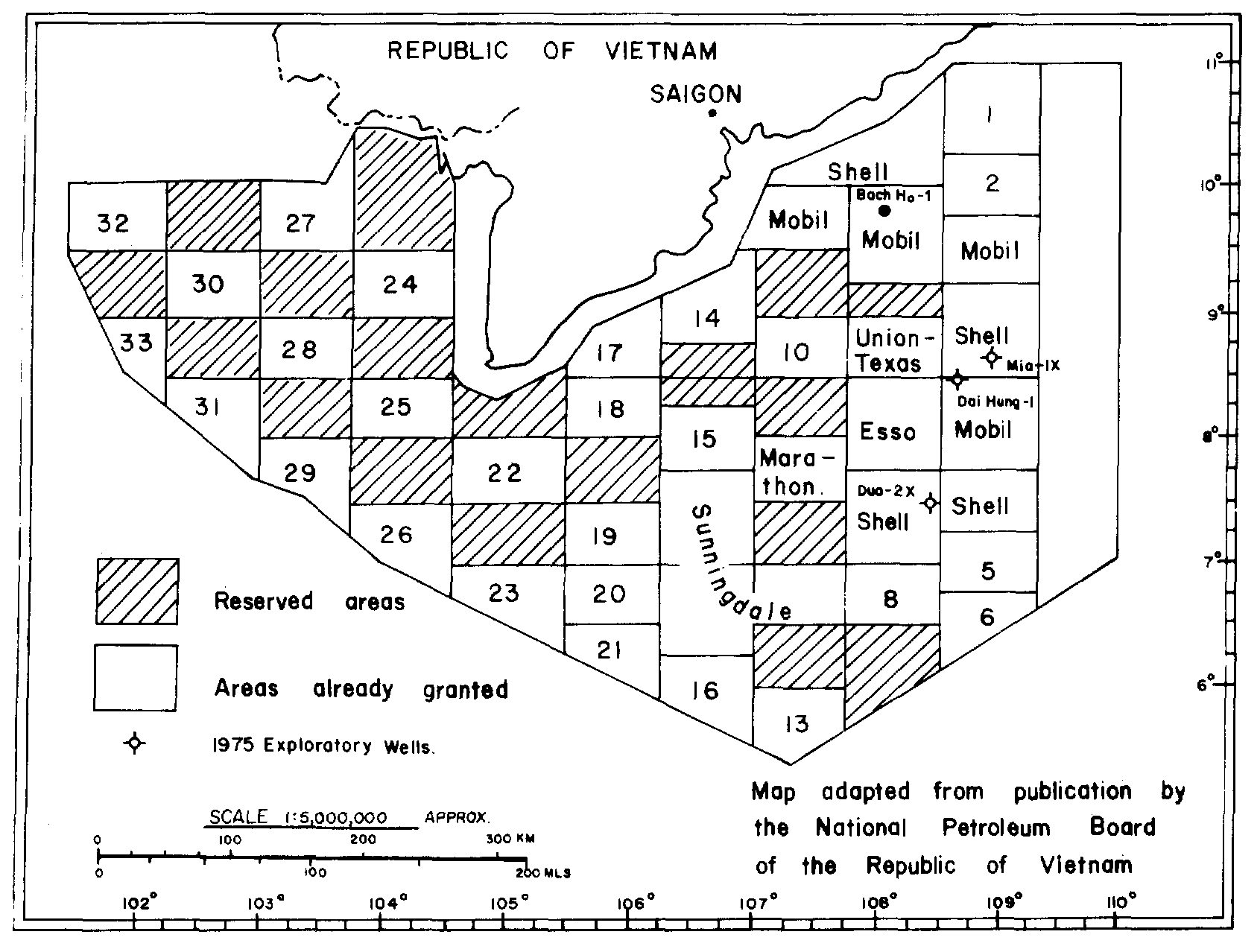
Figure 5: Location Map of South Vietnam Concessions 1975 (AAPG, 1975)
Ahead of the change of government to the Socialist Republic of Vietnam (SRV) in 1975, two important wells were active in the southern offshore which to later prove pivotal for the future of Vietnam’s oil and gas industry. Mobil tested oil at Bach Ho-1 in the Cuu Long (Mekong) Basin while its Dai Hung-1 wildcat in the Nam Con Son Basin was suspended prematurely as the situation in Saigon deteriorated. All concession rights were then cancelled under the new SRV government and Algerian state oil company Sonatrach was briefly engaged to act as a petroleum advisor to the new regime.
New offshore concessions were subsequently awarded with assistance from the Norwegian Foreign Aid Agency (Figure 6). With less competition due to the US-embargo, this era saw a number of Canadian and European operators including Agip (ENI), Bow Valley, Deminex and Elf signing concessions, together with increased involvement by the Soviet Union. Deminex briefly held the ‘jewel in the crown’ in the Cuu Long Basin Block 15, which once its prospectivity was realised was subdivided into Blocks 15-1, 15-2 and a string of eastern edge prospects carved off into Blocks 01 and 02. The newly designated Block 15s were the subject of forced marriages and the birth of joint operating companies in Vietnam.
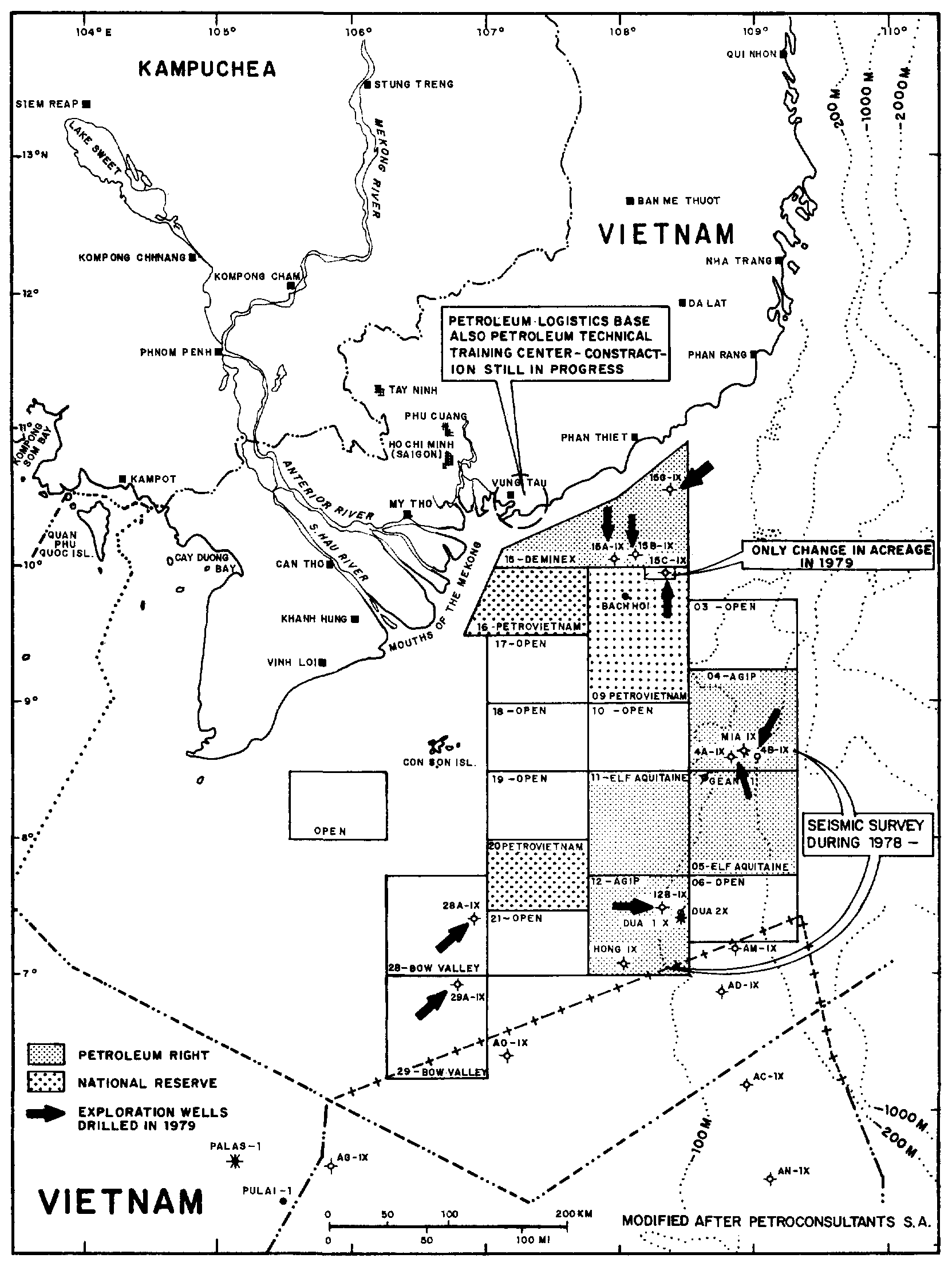
Figure 6: Location Map of Vietnam Concessions 1979 (AAPG, 1979)
Interestingly, at the same time, several Indonesian PSCs were awarded to US operating companies (Gulf, Marathon, Conoco and Mobil) in the overlapping claims area with Vietnam in the South China Sea.
Due to the continued US embargo, companies found operating to be quite challenging and activity was largely limited to PetroVietnam with continued Soviet assistance in the Song Hong and Cuu Long Basins. However, the tide started to turn in 1987 when a new foreign investment law was approved including the switch to PSCs. There was an immediate positive industry response in the next few years from European, Asian and Canadian companies taking acreage including British Gas, BP, BHP, Cairn, Canadian Oxy, Enterprise, Fina, IPC (part of the Lundin Group), a Japanese consortium, Lasmo, ONGC, PEDCO, Petronas, Petro-Canada, Repsol, Shell and Total. While US companies were excluded from investing in Vietnam this did not prevent some from visiting Hanoi to build relations with the state oil company which appeared to be holding back acreage for the US companies.
Two notable events are worth mentioning around this time. The first was Vietsovpetro, the Vietnamese-Soviet joint venture, finally drilling the Dai Hung (Big Bear) discovery in 1988 in the Nam Con Son Basin, and the second was the joint venture starting production from the granitic basement in the Bach Ho (White Tiger) Field in 1989. Dai Hung has had quite a chequered history. Just ahead of the full lifting of the US embargo the partially appraised Dai Hung Field was offered to the industry in a competitive bid round. The consortium BHP as operator, Total, Petronas and Sumitomo was the winning bidder. It was not long before the group realised there were issues with production being below expectation primarily due to the reservoirs being compartmentalised due to faulting. This was not recognised during the data review as the 3D had not been made available and well location data not accurate.
In 1991 Hamilton Oil made the Bunga Orkid-1 oil and gas discovery opening a new play on the northwest-southeast trending northern margin of the Malay Basin, within the overlapping PM-3 PSC with Malaysia. This brought immediate protests from Hanoi. Following the discovery Hamilton was taken over by BHP and along with Enterprise Oil withdrew from the area regrettably taking PSCs in the Nam Con Son Basin rather than navigate the geopolitical uncertainty of the territorial issue. This actually proved to be a very cordial and swift resolution, and a global case study for overlapping discussions. Within a short time the PM-3 Commercial Arrangement Area (CAA) between Vietnam and Malaysia was established and this spurred further discoveries in this slither of acreage.
The early 1990s exploration boom gave way to a more mature industry with PetroVietnam recycling blocks through direct negotiations and formal licensing bid rounds. One of the early USA movers was Conoco which signed Blocks 133 and 134 in 1996 on the deepwater eastern extension of the Nam Con Son Basin. As ConocoPhillips it was also involved in oil discoveries in Block 15-1 as part of the Cuu Long Joint Operating Company (CLJOC) consortium before exiting in 2012 selling its Vietnam interests to Perenco.
The north and eastern offshore has so far been disappointing with non-commercial oil being discovered by Petronas in the Gulf of Tonkin (Blocks 102 and 106) and Plains (Block 124), while gas with high levels of CO2 discovered in Miocene carbonates by IPC (Block 115) and BP (Block 117, 118, 119) in the Song Hong Basin. ExxonMobil subsequently took over the BP acreage and appraisal drilling confirmed the multi-TCF Ca Voi Xanh (Blue Whale) which straddles the acreage as the largest undeveloped gas field in Vietnam. However, development of the giant field has faced delays due to complex commercial negotiations, its high CO2 content, and regional maritime sensitivities.
More recently ENI made a discovery on the east coast with its Ken Bau-1X gas-condensate discovery in Block 114 in 2019 but with high CO2. Meanwhile, industry awaits the drilling of the Pharos-operated east coast deepwater wildcat in Block 125 in the Phu Khanh Basin in 2027.
The prolific Cuu Long Basin has in the last 35 years proven to be a major oil province with its unique granitic basement reservoirs (and others including volcanics and draping Miocene sands) and has now produced in excess of one billion barrels of oil. In 2011 Talisman reported that 90% of the reserves in the Cuu Long Basin were in basement reservoirs. Figure-7 below shows the situation of the basin in 2009 with 12 granitic basement discoveries. Meanwhile, the clastic play was still evolving at the time in the Cuu Long Basin.
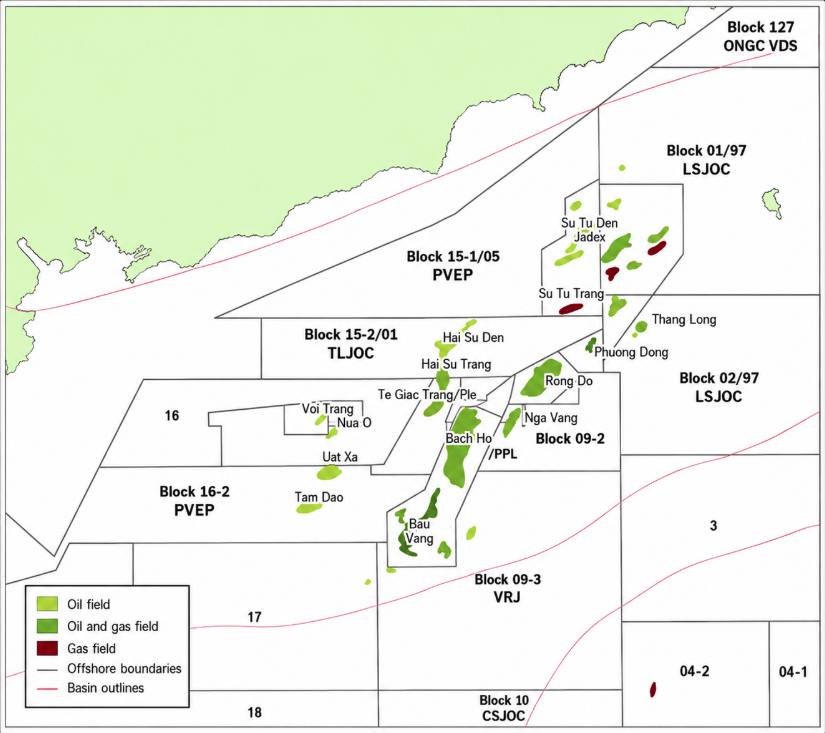
Figure 7: Shows the situation of the basin in 2009 with 12 granitic basement discoveries
In contrast, while more extensive and deeper, the Nam Con Son Basin has proven to be somewhat disappointing in terms of reserves and is dominated by gas rather than oil. The giant dry gas discoveries in Mio-Pliocene carbonates at Lan Tay and Lan Do on the southern margin of the basin have dominated production, but the remainder of the basin has proven to be disappointing in terms of size of discoveries, particularly its extensive western margin.
After a relatively quiet period, interest accelerated in 2025 when Murphy announced the Hai Su Vang-1 oil discovery in Oligocene sandstones in Block 15-2/17 in the Cuu Long Basin. Estimates of resources have a large spread, possibly exceeding 400 million barrels, and this it could represent the biggest discovery in Vietnam in two decades. Murphy has gone from strength to strength in Vietnam considering it was one the latecomers only entering the country in 2012, replicating its success offshore Malaysia.
In recent months, the other significant news concerns the slow burner of the Vietnamese extension of the northern Malay Basin. Development drilling of the multi-TCF Block B gas and condensate fields commenced in April 2026 by the Phu Quoc Petroleum Operating Company (PQPOC), a consortium of Mitsui (MOECO), PetroVietnam and Thailand’s PTTEP. Around 400 wells are planned in the first phase, and first production from the country’s biggest gas project in 2027. Fina is credited with discovering the Block B and adjacent fields following encouragement from the Hamilton Bunga Orkid-1 play opener. Unocal later took over operatorship of Block B from Fina, and Chevron (which had taken over Unocal) sold its stakes in Blocks B, 48/95, 52/97, and the Southwest Vietnam pipeline project, to PetroVietnam in 2015. Figure 8, from a 2019 PetroVietnam presentation, presents an overview of the situation on this north eastern edge of the Malay Basin.
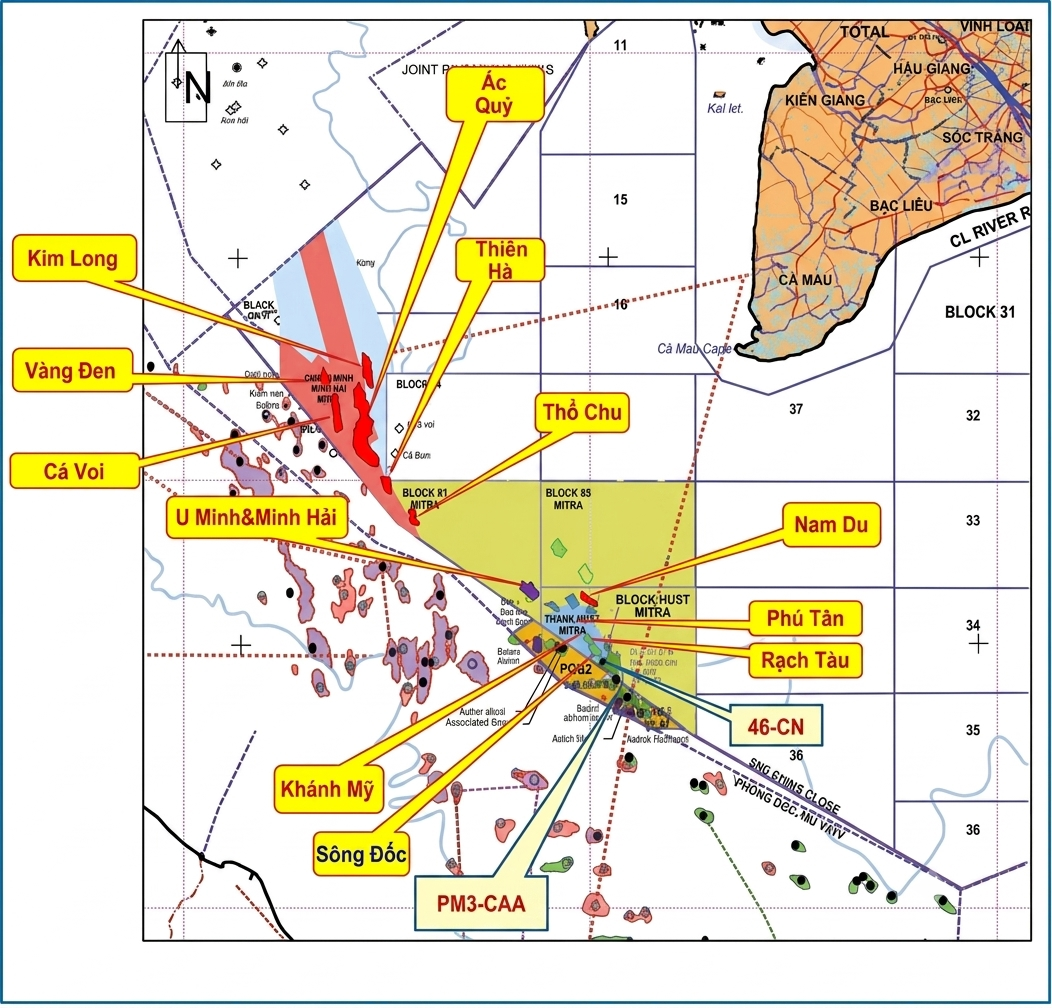
Figure 8: Discoveries and Fields on the Northern Edge of the Malay Basin (PetroVietnam 2019)
Momentum in the Malay Basin is set to continue with the news that Jadestone Energy (formerly Mitra Energy) is pushing ahead for first gas from its Nam Du and U Minh Fields in Blocks 46/07 and 51 in late 2028.
Vietnam continues to seek investment and launched its first formal bid round in 2025 after some 13 years. The Vietnam Bid Round 2025 (VBR 2025) comprised Block 17 in the Cuu Long Basin and Blocks 10/11 and 10 & 11-1 in the Nam Con Son Basin (Figure 9).
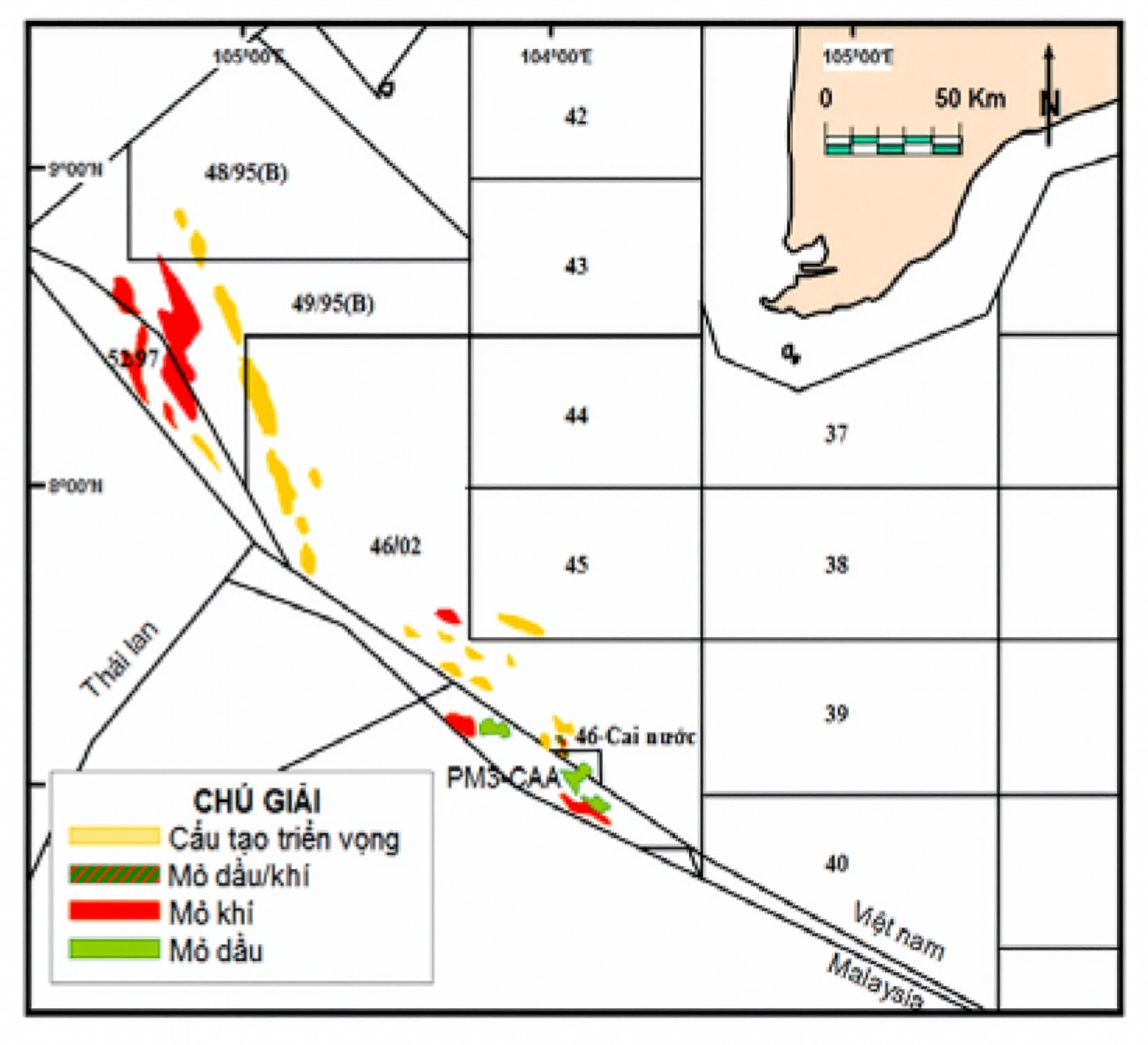
Figure 9: Vietnam Bid Round 2025 Blocks (Modified From S&P on LinkedIn, 2025)
In May 2026 Block 17 was reoffered to the industry, and news on the status of the other 2025 bid round blocks still awaited.
Contributions from SE Asia industry experts Bob Pile, Mike Whibley, Huw Evans and Jon Savage.
References
Blocks 125 & 126 Competent Persons Report, Pharos Energy, by ERCE 2023.
Exploration in Vietnam: Exploration Experiences in a Re-emerging Cuu Long Basin, Meyer et al, Talisman, SEAPEX Conference, 2009.
Report: An Overview of the Exploration History and Hydrocarbon Potential of Cambodia and Laos - Bruce Blanche, Blanche Oil and Gas Consultants (UK), SEAPEX publication 1990 and updated in 1992.
Hydrocarbon Potential of Champasak and Saravan Area, Southern Lao PDR, Lao-Thai Technical Conference on Geology and Mineral Resources, 2013.
Hydrocarbon Potential Offshore Vietnam, PetroVietnam, 2019.
Ministry of Mines and Energy, Cambodia, Information Package, 2025.
Murphy in Vietnam, Webinar Series, 2026.
Petroleum Developments in Far East: 1958 through to 1989 - AAPG Datapages.
SEAPEX 40th Anniversary Book, 2014.
The Phu Khanh Basin, Offshore Vietnam – New Exploration Play Concepts Based on Recently Acquired 2D & 3D Seismic, Gravity and Magnetic Data, Duignan and Trung, Pharos Energy, SEAPEX Conference, 2020.