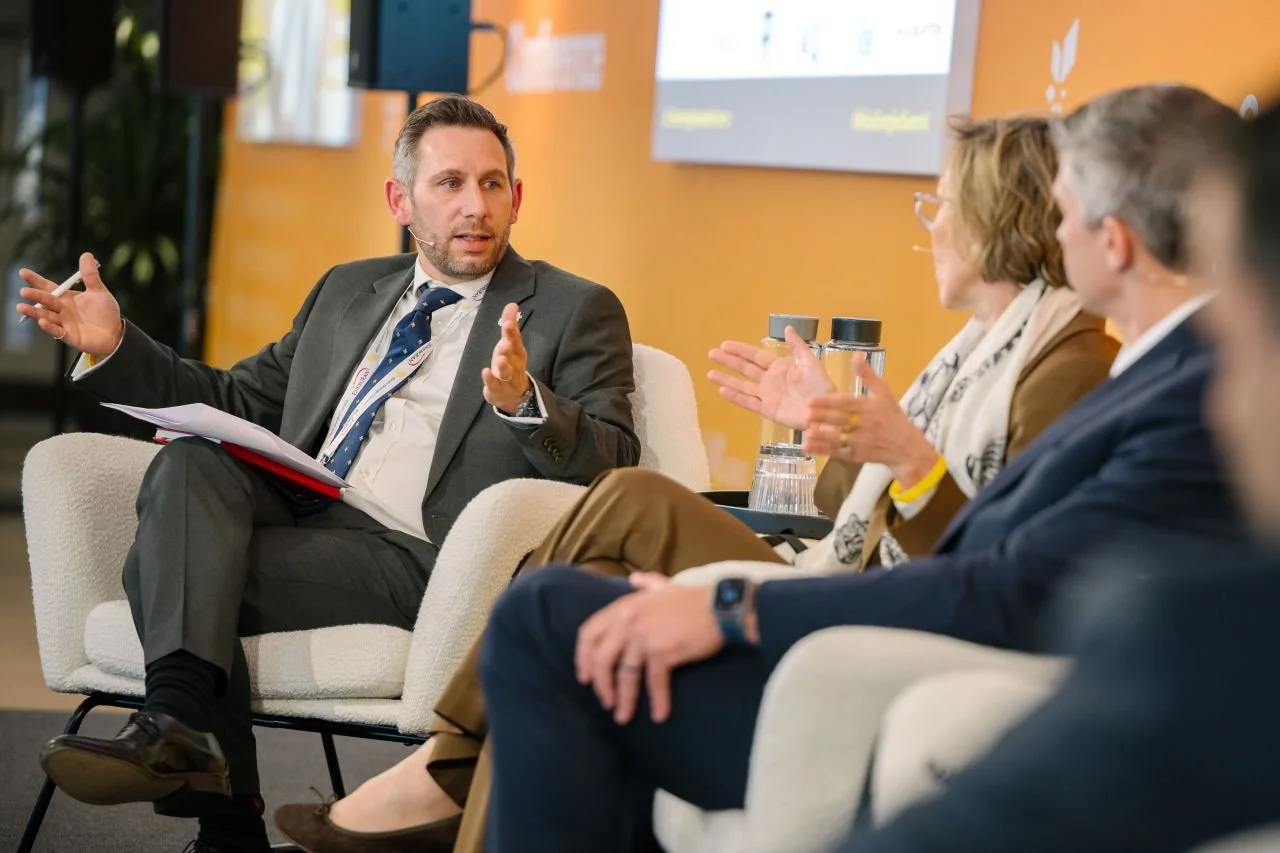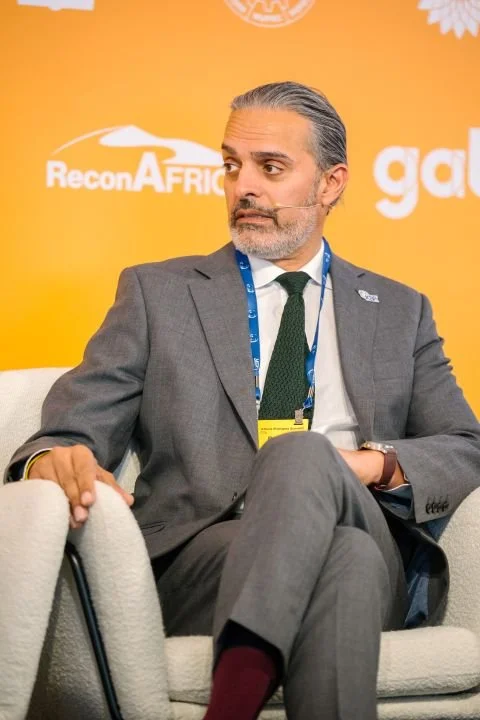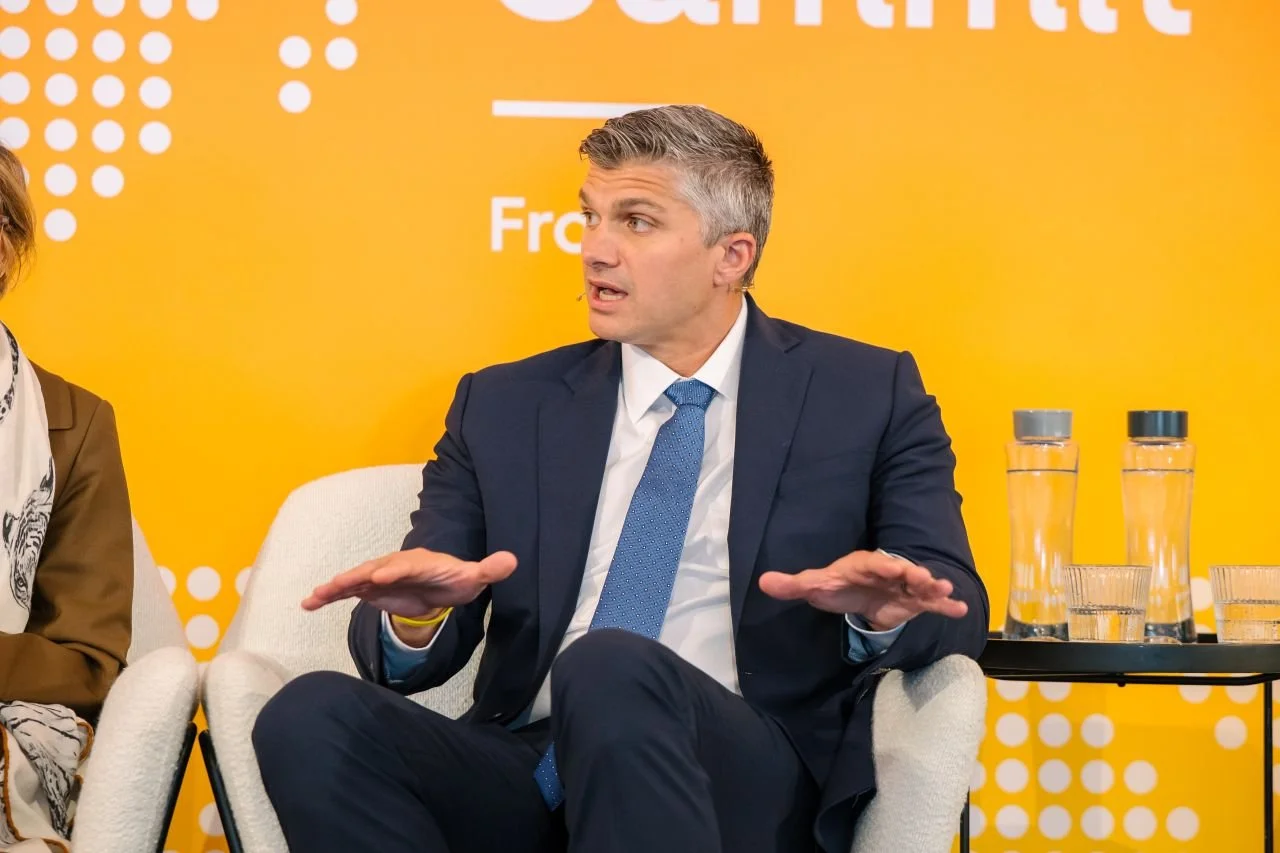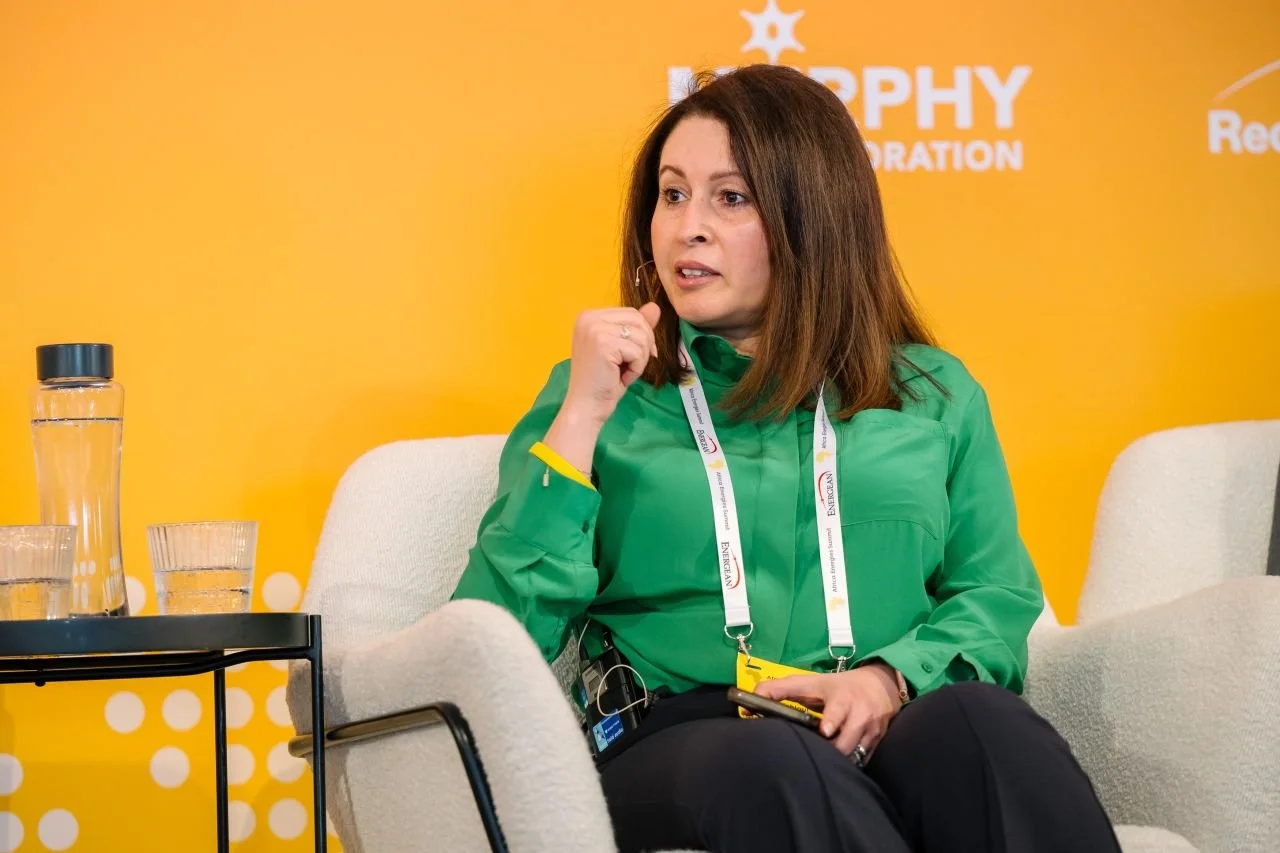
AES 2026 Panel Recap: Technology’s Role in Making Africa Faster, Cheaper, More Competitive
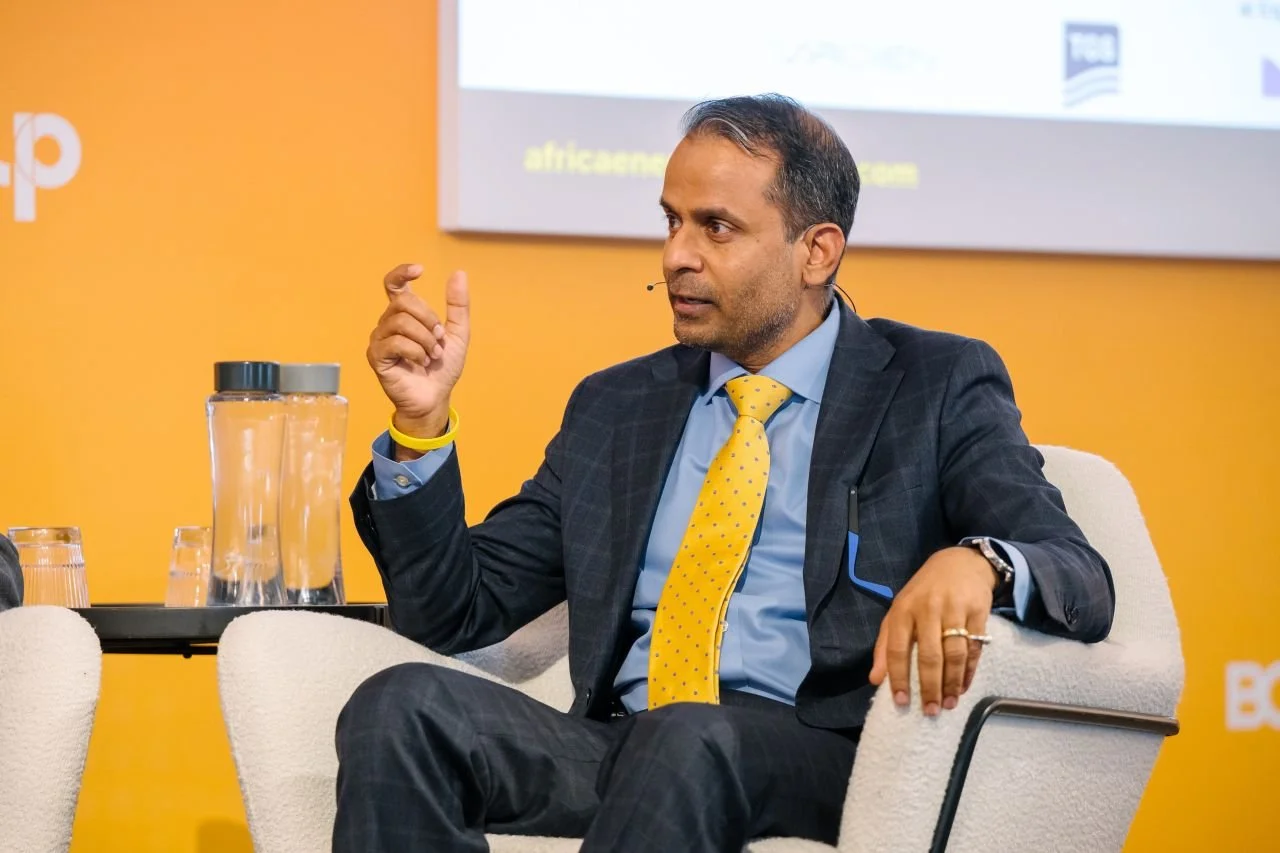
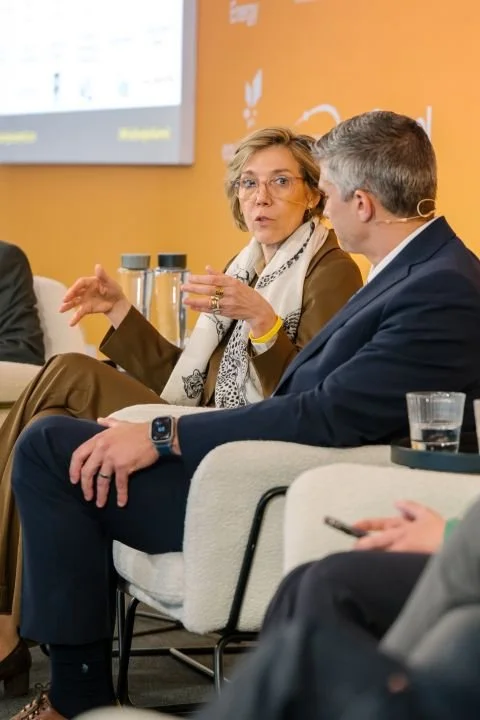
In this panel, we brought together leaders from across the geoscience, technology and engineering value chain - and the message was refreshingly consistent: the technology is ready. The question is whether the environment is.
Key talking points included:
Data is the great de-risker. The biggest risk for any upstream investor is the subsurface - and countries with comprehensive, basin-wide datasets hold a genuine competitive advantage regardless of market conditions. As TGS's panellist put it, any hurdle placed at the data stage only compounds further down the value stream.
The competition is global. A project in Namibia isn't competing with the project next door - it's competing with Guyana for the same investment dollar. Cycle time is where that battle is won or lost.
Sequencing kills momentum. MOU, study, seismic, licensing - done sequentially can last for years. Countries that synchronise governments, multi-client investors and operators move at a different pace entirely. Brazil's lease rounds and Norway's exploration incentives and open national data repository were cited repeatedly as the models to learn from.
AI needs clean data. Applying AI to poor data gives poor results. The foundation - quality acquisition, curated datasets, sharper imaging - is what makes the intelligence layer work.
Asked what single capacity would most transform African projects in the next 12 months, the panel's answers converged: a supportive investment environment, speed across the full lifecycle, the courage to leapfrog rather than repeat old workflows, disciplined data management - and above all, collaboration.